
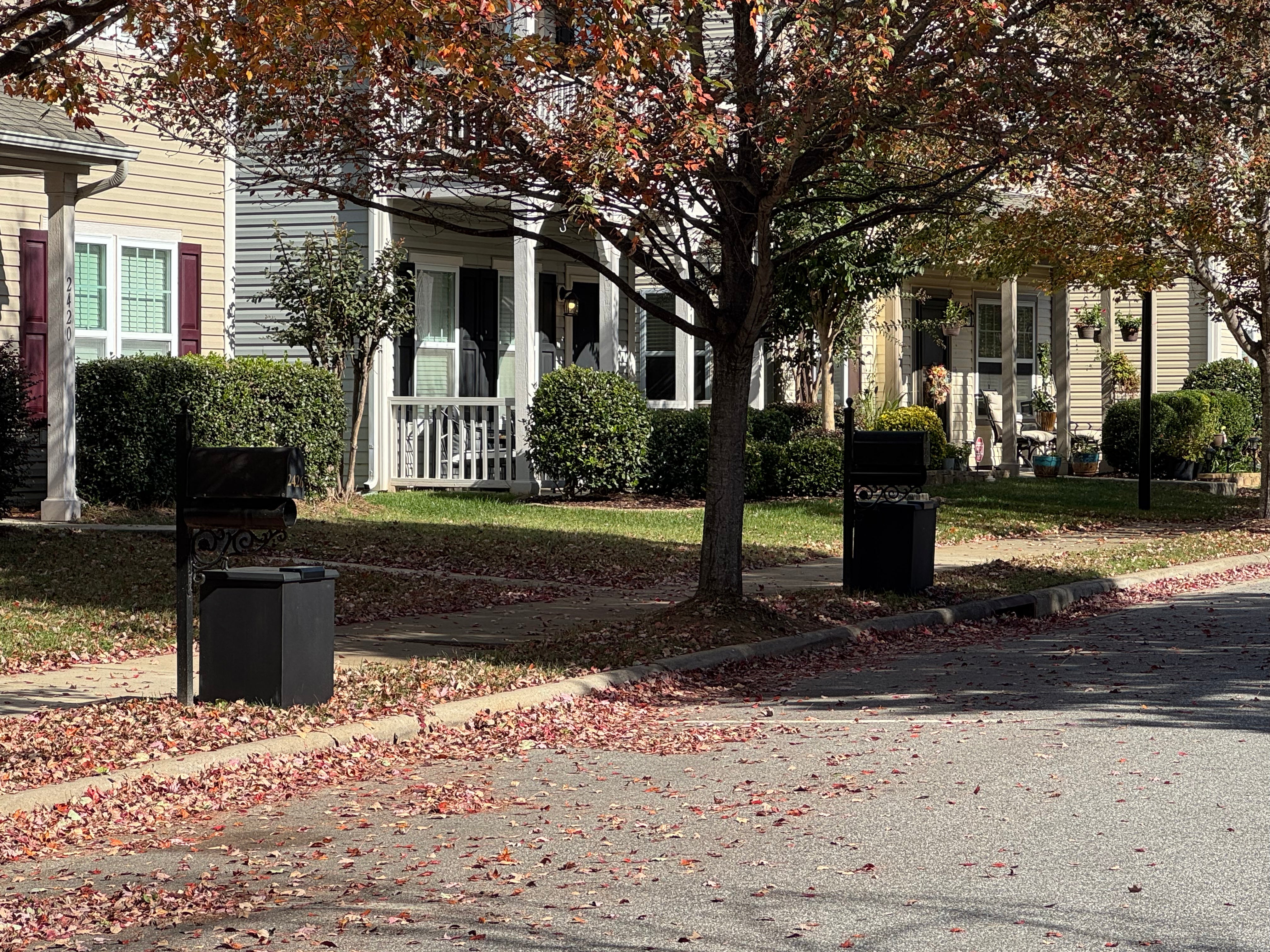
Not long ago, package delivery was something people thought about occasionally. A holiday gift here, an online order there, maybe a few shipments each month. Today, it has become part of the daily rhythm of life.
Groceries arrive on doorsteps. Household essentials are delivered through subscription services. Everything from clothing to electronics shows up multiple times a week. According to the U.S. Census Bureau, e-commerce sales now account for a growing share of total retail sales and continue to trend upward year over year, reinforcing that delivery is no longer occasional but built into everyday life.
To put that into perspective, major carriers like UPS handle billions of packages annually, reflecting the scale and consistency of modern delivery demand.
Despite this shift, most homes and residential communities are still operating with systems that were never designed to support this level of delivery activity. That disconnect is where friction begins to build.
The Problem Isn’t Delivery. It’s What Happens After
The delivery itself is rarely the issue. In fact, it is faster and more efficient than ever. The real challenge begins the moment a package is dropped off.
For homeowners, this often means wondering how long a package will sit outside, checking cameras throughout the day, or asking neighbors to keep an eye on deliveries. In multifamily communities, the experience becomes even more fragmented, with packages left in leasing offices, stacked in mailrooms, or placed in shared areas with little oversight.
That lack of structure introduces real risk. According to Security.org, over 260 million packages were stolen in the United States in a single year, showing just how widespread the issue has become.
What should be a seamless experience becomes a daily uncertainty instead.
Why Traditional Package Management Solutions Are No Longer Enough
In response to increasing delivery volume, many properties have adopted temporary solutions such as package rooms, centralized lockers, or front-desk handling. While these methods provide some relief, they often fall short as delivery volume continues to grow.
Package rooms often become overcrowded quickly, especially during peak seasons. Lockers are limited in size and availability, which can cause bottlenecks when multiple deliveries arrive at the same time. Front desk handling shifts the workload onto staff, increasing operational costs and the risk of mistakes.
More importantly, these solutions view delivery as a shared system rather than an individual experience. Residents expect their deliveries to be secure, accessible, and clearly identified as theirs. When that expectation is not met, satisfaction drops.
A Shift Toward Built-In Delivery Infrastructure
As delivery becomes more integrated into daily life, a new approach is emerging among homeowners, builders, and developers. Rather than an afterthought, package management is increasingly seen as a key part of residential design.
This shift reflects how other essentials have changed. Once, features like mailboxes, parking, and waste systems needed to be built into a property's design. Today, secure package delivery is following the same path.
Research from McKinsey & Company highlights that e-commerce adoption accelerated dramatically and continues to reshape consumer expectations around speed and convenience.
Builders and developers are starting to realize that modern residents want more than just a place to get mail. They look for a system that matches how they actually live, including regular, reliable deliveries.
What Modern Package Management Should Deliver
To meet current expectations, package management solutions must go beyond simple storage. They should deliver a complete experience that feels secure, seamless, and intuitive.
That includes secure, weather-resistant storage, dedicated access for individual users, smart technology that offers real-time notifications, and flexible installation options for both new construction and existing properties.
At its core, a modern solution should serve as infrastructure rather than an accessory. It should quietly back daily life without needing constant oversight.
How Loxx Boxx Fits Into the Future of Delivery
Loxx Boxx was created with this shift in mind, providing a secure, connected solution for package delivery that fits both individual homeowners and larger residential communities.
Unlike shared systems that depend on centralized access, Loxx Boxx offers dedicated storage for each user, ensuring deliveries stay secure and accessible at all times. The system includes technology that allows residents to receive notifications and manage deliveries easily.
For homeowners, this means peace of mind. Packages are no longer left out in the open, and there's no need to rearrange schedules around delivery times.
For builders and developers, Loxx Boxx offers an opportunity to incorporate modern living standards into new construction. Instead of retrofitting solutions later, package management can be integrated from the beginning as a valuable amenity.
For multifamily operators, it decreases the operational burden of package handling while enhancing the overall resident experience. To learn more about how the Loxx Boxx system works, visit our website.
You can also explore specific product configurations here.
From Everyday Convenience to Property Value
What starts as a convenience quickly becomes more important when seen at the property level. In multifamily settings, effective package management solutions can boost resident satisfaction and retention, ease the workload for leasing and management teams, and enhance perceived value through modern amenities.
According to the National Multifamily Housing Council, amenity expectations are constantly changing as renters prioritize convenience and lifestyle-oriented features.
As competition among residential properties intensifies, these factors increasingly influence how communities stand out.
Why This Trend Will Continue to Grow
The growth of e-commerce shows no signs of slowing, nor does the demand for more reliable delivery experiences. As more households depend on deliveries for daily needs, expectations will continue to rise.
Residents will increasingly expect secure delivery by default, minimal friction in retrieving packages, and solutions that seamlessly integrate into their living spaces.
Properties that meet these expectations will be better positioned to attract and retain residents, while those relying on outdated systems may struggle to keep up.
Rethinking the Front Door Experience
At its core, the discussion around package management goes beyond just logistics. It concerns how homes and communities operate in a delivery-focused world.
The front door is no longer merely an entryway; it has become a crucial touchpoint in the daily experience of modern living.
Secure, dependable package management solutions help reduce uncertainty and establish a system that functions consistently, whether for a single homeowner or an entire residential community.
As this transition progresses, one thing becomes clear: properties that view delivery as infrastructure rather than an afterthought will stand out.
Ready to rethink how deliveries are handled?
Explore how Loxx Boxx delivers secure, seamless packages to homes and residential communities and click here.
Share:
Why Porch Package Theft Persists Even When Homeowners Know the Risk
The Best Package Delivery Box for Modern Homes